Giving a Well-Used Guitar a Second Life: Deep Cleaning, a Custom-Fit Pickguard, and a Proper Tele Jack
Not every guitar that comes across the bench needs a major repair. Sometimes what it really needs is a serious cleaning, a few carefully chosen upgrades, and some patient fitting so everything works the way it should.
This Squier had clearly seen a lot of playing. It came in dirty, worn, and looking a little rough around the edges, but underneath all of that was a guitar with plenty of life left in it.
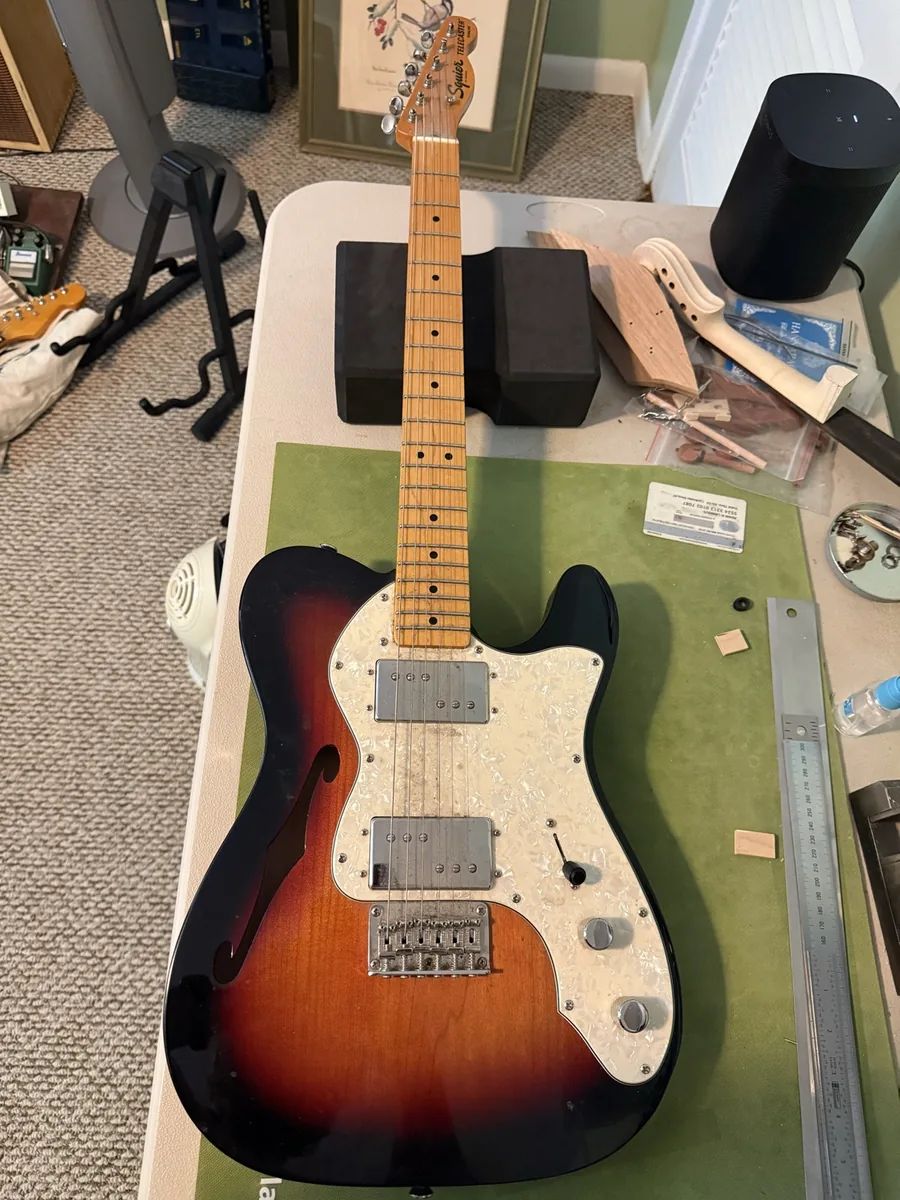
Start With a Thorough Cleaning
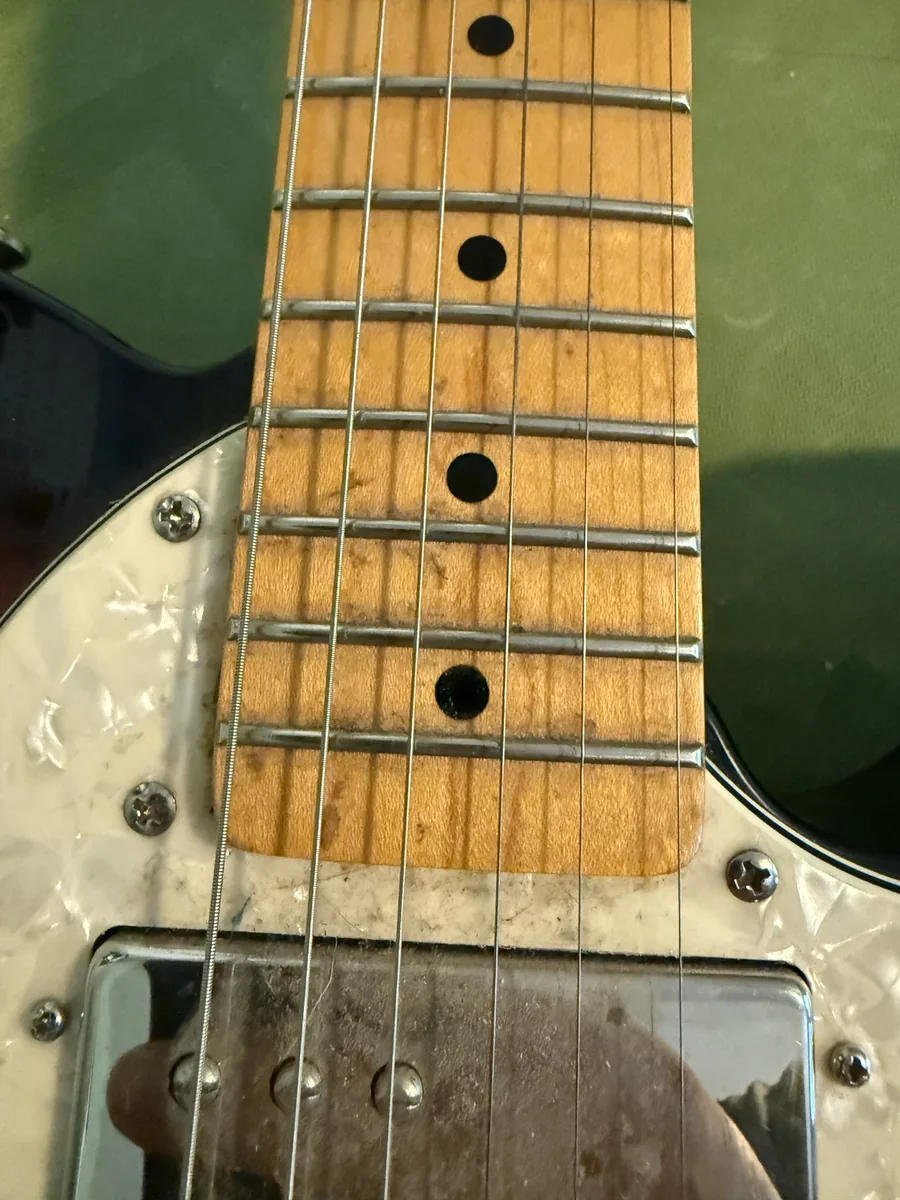
Years of sweat, dust, fingerprints, and grime can accumulate slowly enough that you stop noticing it. On a working guitar, that buildup can cover the finish, collect around the bridge and pickups, and make the hardware look far worse than it actually is.
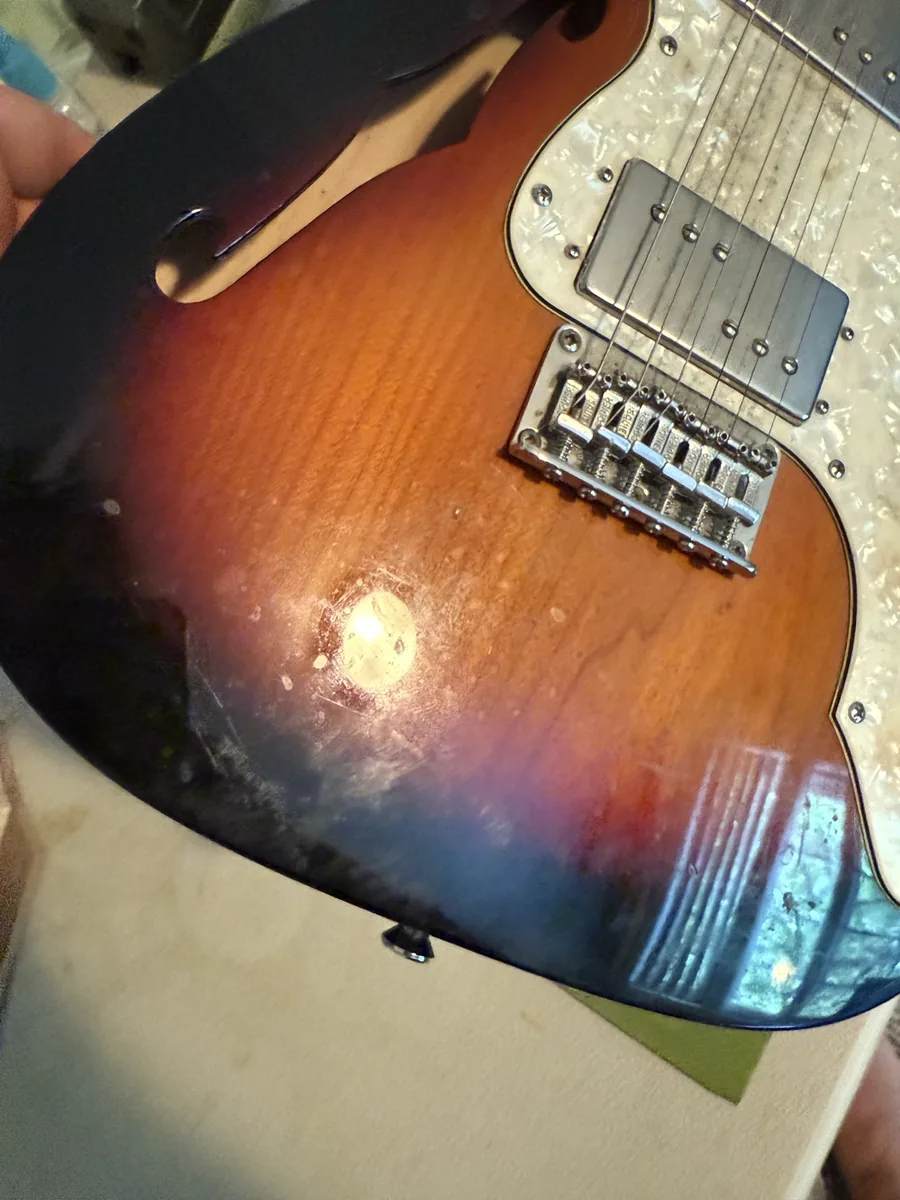
Cleaning first also makes inspection easier. Once the dirt is gone, it is much easier to see what is actual wear, what is corrosion, what needs adjustment, and what can simply stay as part of the guitar's character.
Replacing the Pearloid Pickguard
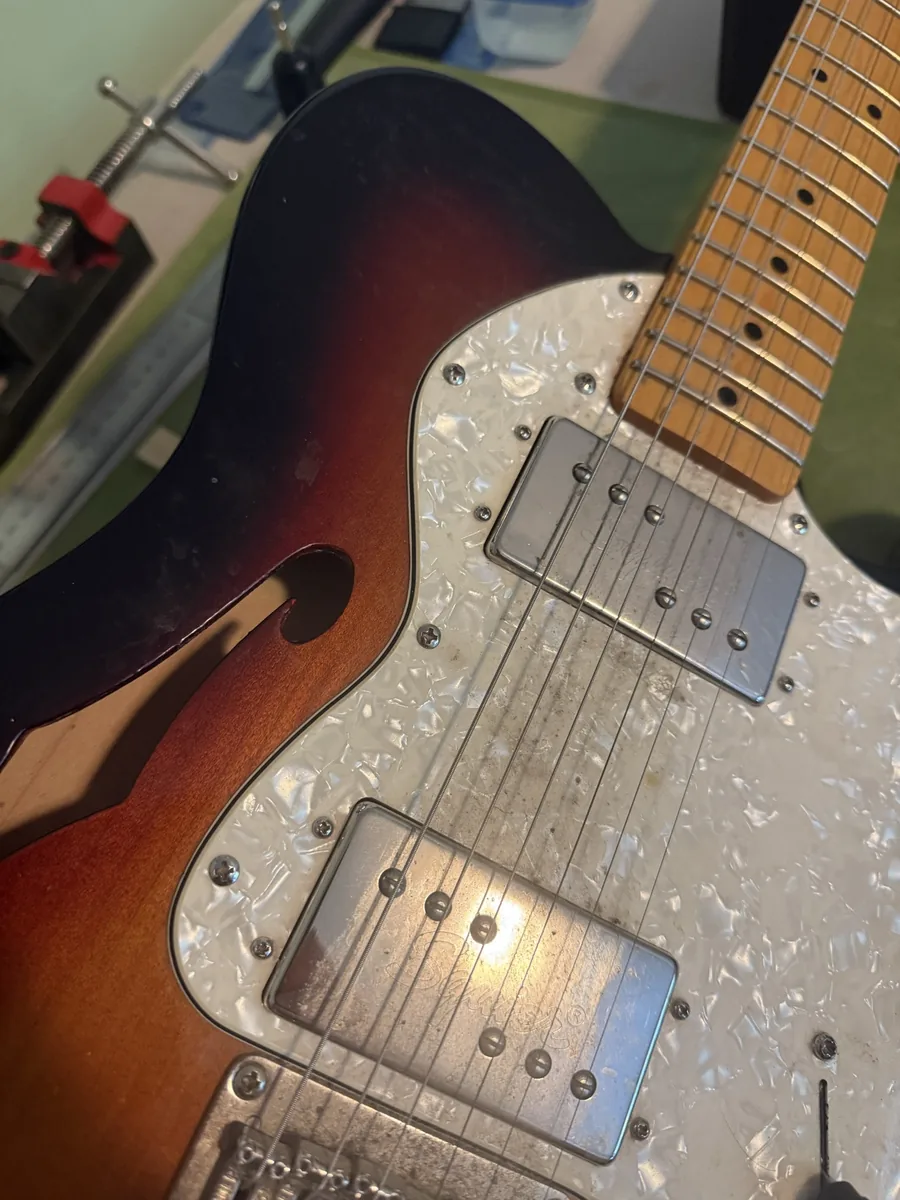
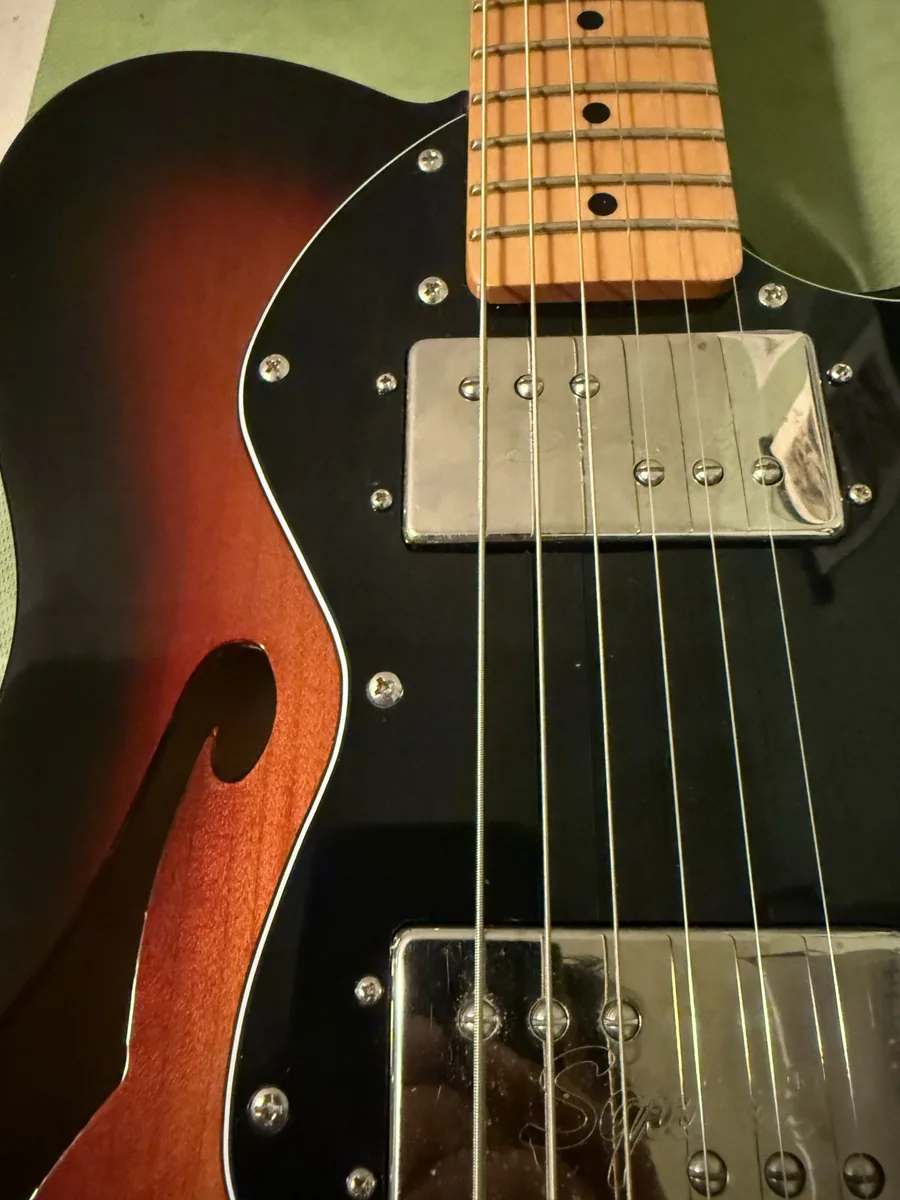
The original white pearloid guard gave the guitar a busy look that competed with the sunburst finish. The new black guard made the guitar look much cleaner and tied in nicely with the dark outer edge of the burst.
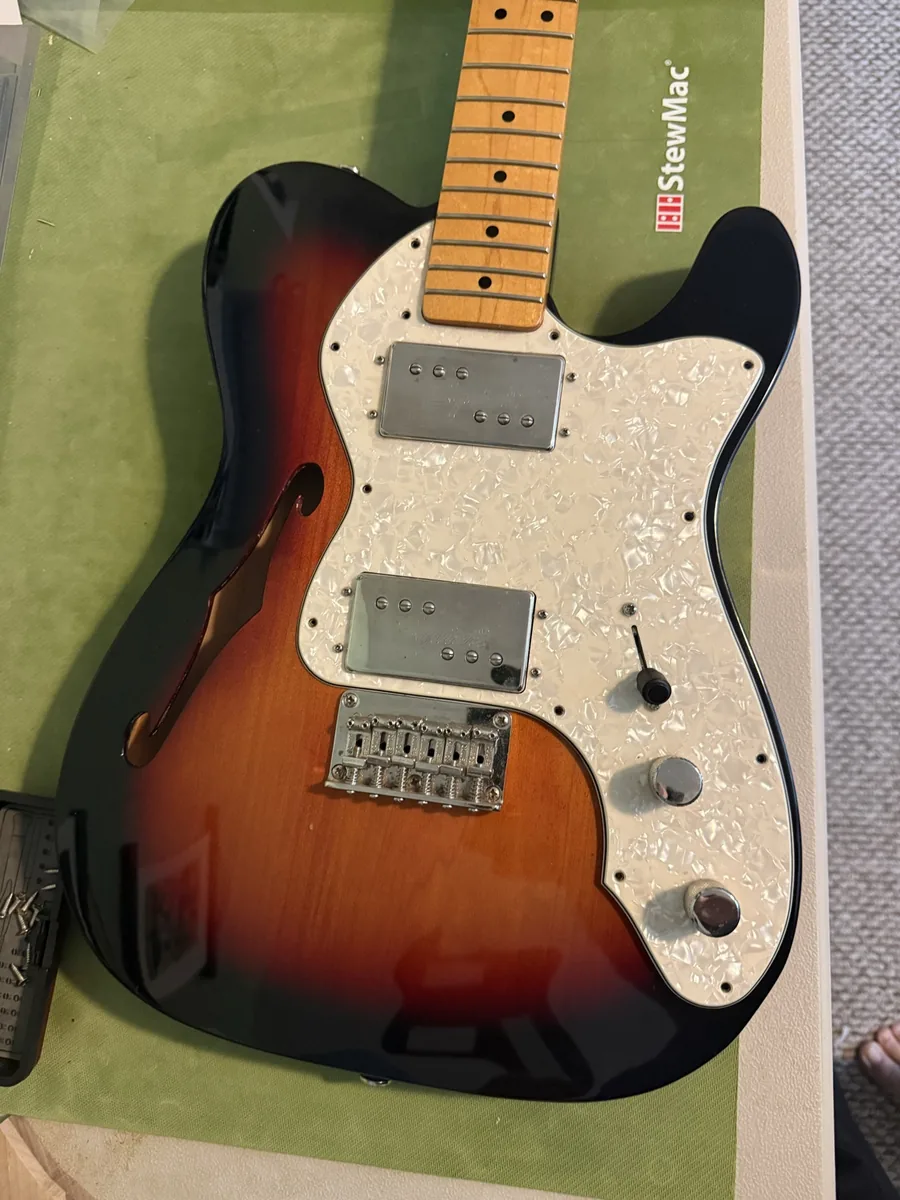
But replacement pickguards are not always truly drop-in parts. Even when the overall outline and screw pattern are close, pickup openings can be slightly too small or shaped differently from the pickups actually installed in the guitar.
Custom Routing the New Guard for the Pickups
That was the case here. The existing humbuckers would not sit properly in the new guard, so the pickup openings had to be carefully routed to fit the actual pickups.
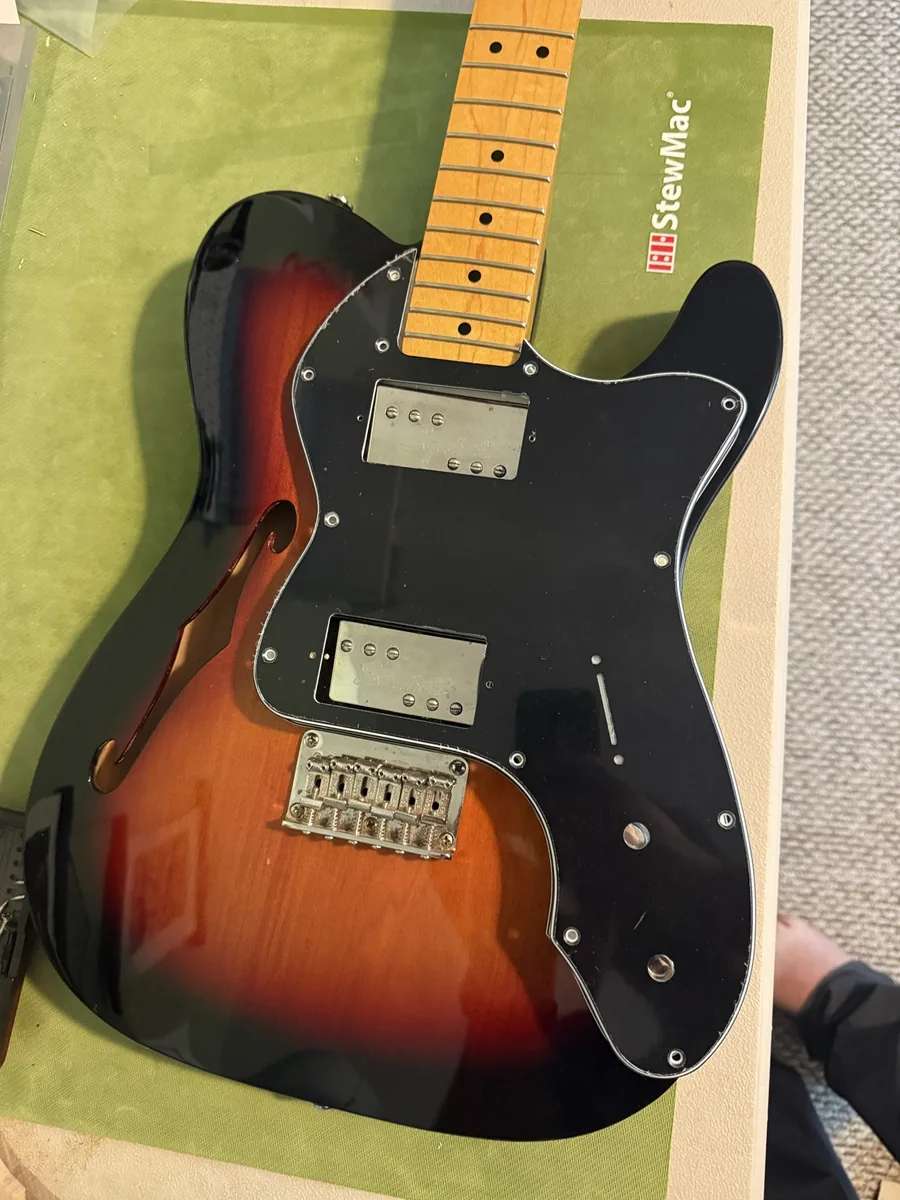
This is one of those jobs where patience matters. Removing too much material leaves a visible gap, while too little can pinch the pickup or prevent proper height adjustment. I removed material gradually until both pickups fit cleanly, stayed centered, and had enough clearance to adjust normally.
Replacement-part tip: “made for this model” does not always mean “fits this exact guitar without modification.” Manufacturing tolerances, aftermarket pickups, and previous modifications can all change the final fit.
Cleaning Under the Guard and Around the Hardware
With the old guard off, I could also get to areas that are normally difficult to clean. The pickup covers, bridge, body around the cavities, and surrounding hardware all got a proper cleanup before the guitar went back together.
Installing a Proper Telecaster-Style Jack Plate
The other important part of this job was the output jack. The guitar needed a proper Telecaster-style jack plate installed and wired in correctly.
The output jack is a small part, but it takes a lot of mechanical abuse. Every time a cable is plugged in, pulled sideways, stepped on, or removed, some of that force is transferred to the jack and its mounting hardware.
A poorly mounted jack can loosen, rotate, crackle, or eventually break a solder joint. Installing the correct Tele-style hardware gives the cable a more secure connection and keeps the wiring from taking unnecessary stress.
The Finished Result
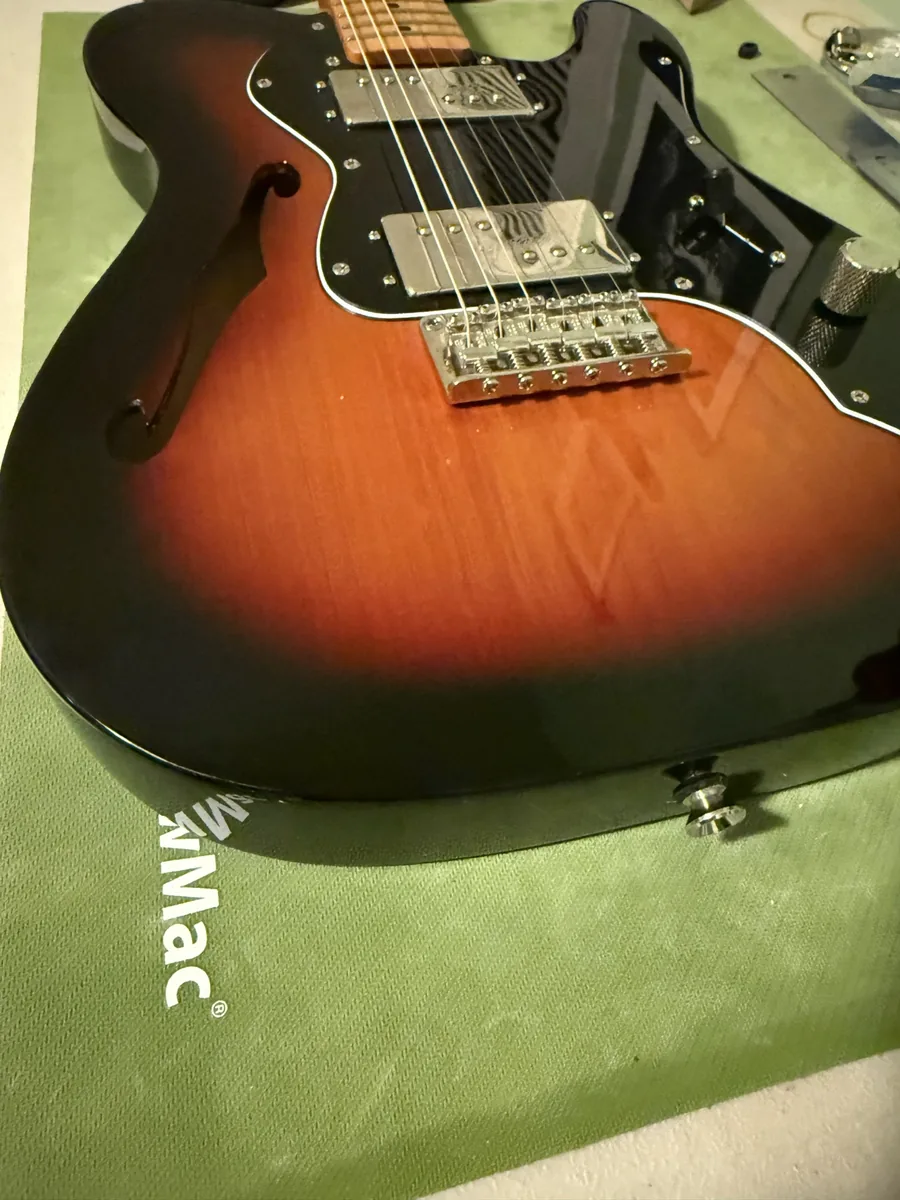
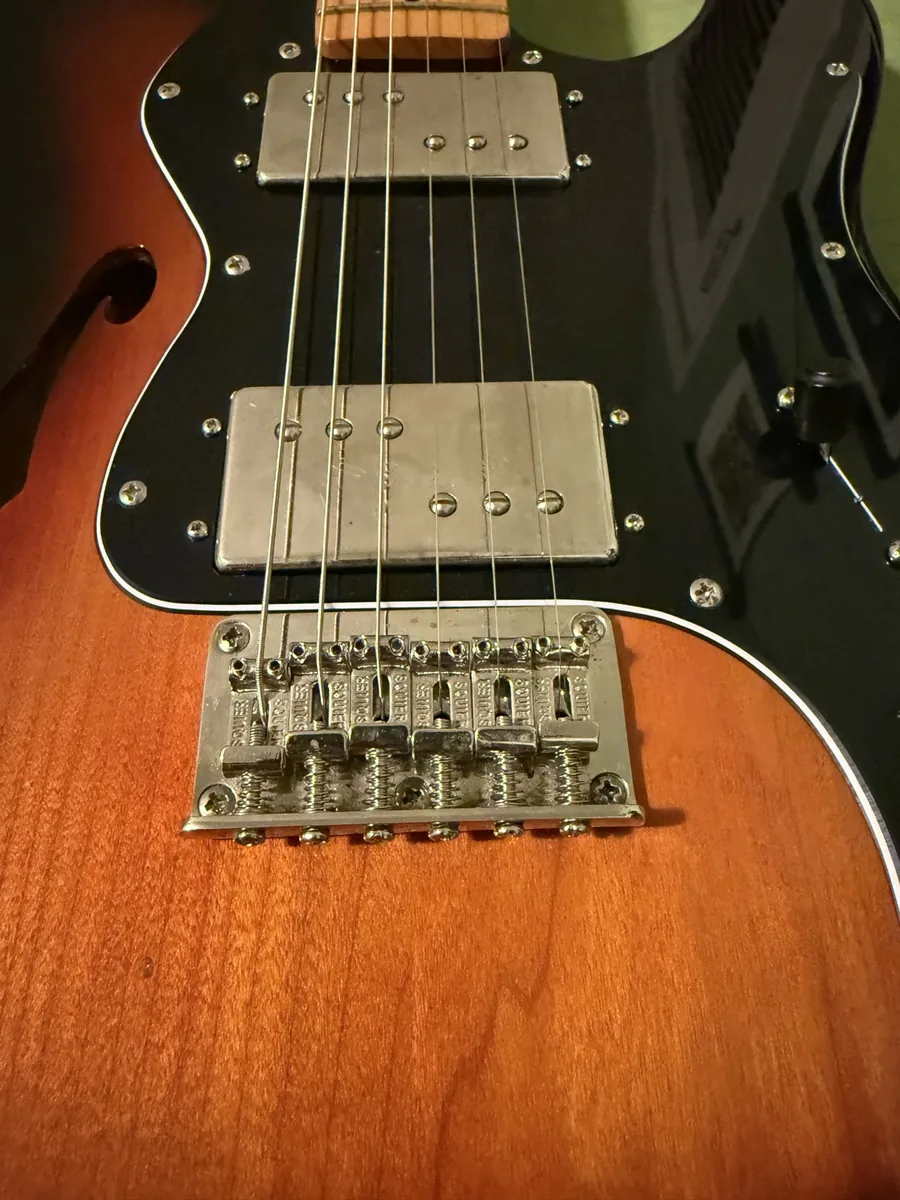
The transformation was pretty dramatic considering that no single step was especially exotic. The guitar was cleaned, the replacement guard was fitted to the pickups instead of being forced into place, the hardware was reassembled properly, and the output jack was updated with the correct Tele-style mounting.
Old Guitars Are Often Worth Saving
A guitar does not have to be expensive, rare, or pristine to be worth repairing. In fact, the instruments that show the most wear are often the ones that mean the most to their owners because they have actually been played.
A deep cleaning, properly fitted replacement parts, secure electronics, fresh strings, and a good setup can completely change how an older guitar feels without stripping away the wear that gives it personality.
Repair, Modify, or Replace?
If you have an older guitar that is dirty, unreliable, or has accumulated a few questionable repairs or mismatched parts over the years, it is often worth having it evaluated before replacing it.
Sometimes a relatively small amount of work can make an instrument feel new again. Other times, the best approach is to keep the parts that work and improve only the weak points.
The goal is simple: make the guitar reliable, comfortable, and something you actually want to pick up and play.