A Loose Guitar Output Jack: A Small Problem That Can Turn Into a Bigger Repair
A loose output jack is one of those guitar problems that looks simple enough to fix on the spot. The nut is loose, so you tighten the nut. Easy, right?
Sometimes. But there’s an important catch.
I was watching a band last week when I noticed the guitarist struggling with a loose output jack. He was trying to tighten the nut from the outside, but the jack itself was spinning along with it. I felt his pain, because it’s an incredibly common problem. Unfortunately, if the entire jack rotates while you tighten the nut, the wiring inside the guitar rotates too.
That can turn a five-minute maintenance issue into a broken solder joint and a guitar that suddenly cuts out.
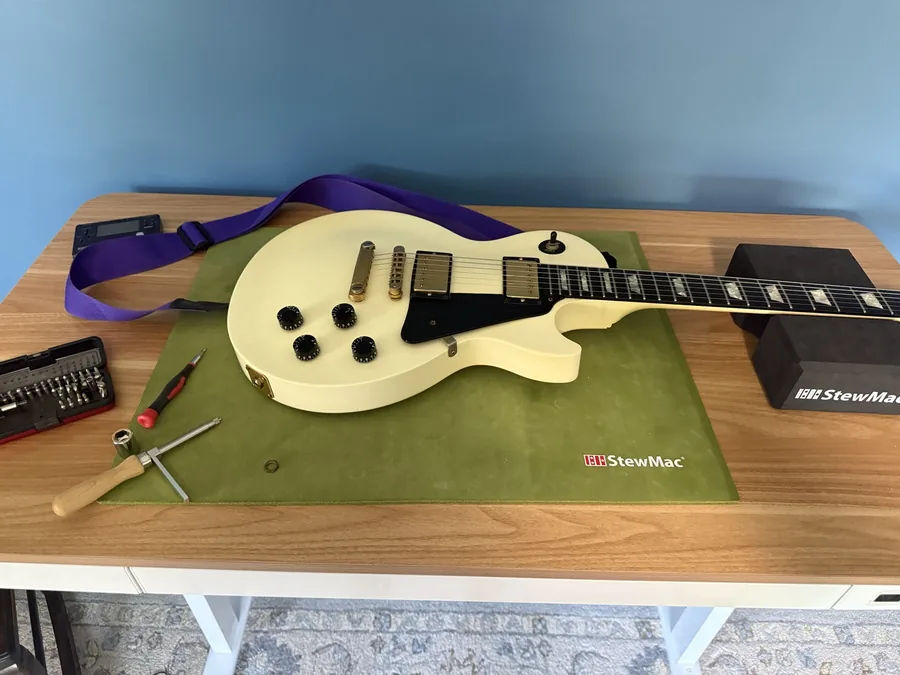
Why Guitar Output Jacks Work Loose
The output jack sees more physical movement than many players realize. Every time a cable is plugged in, unplugged, bumped, stepped on, or pulled at an angle, some of that force is transferred to the jack and the hardware holding it in place.
Over time, the retaining nut can gradually work loose. This is especially common on guitars where the jack is mounted to a plate or directly through the body.
You may first notice that the cable feels a little loose, the jack plate moves slightly, or the nut itself can be turned with your fingers.
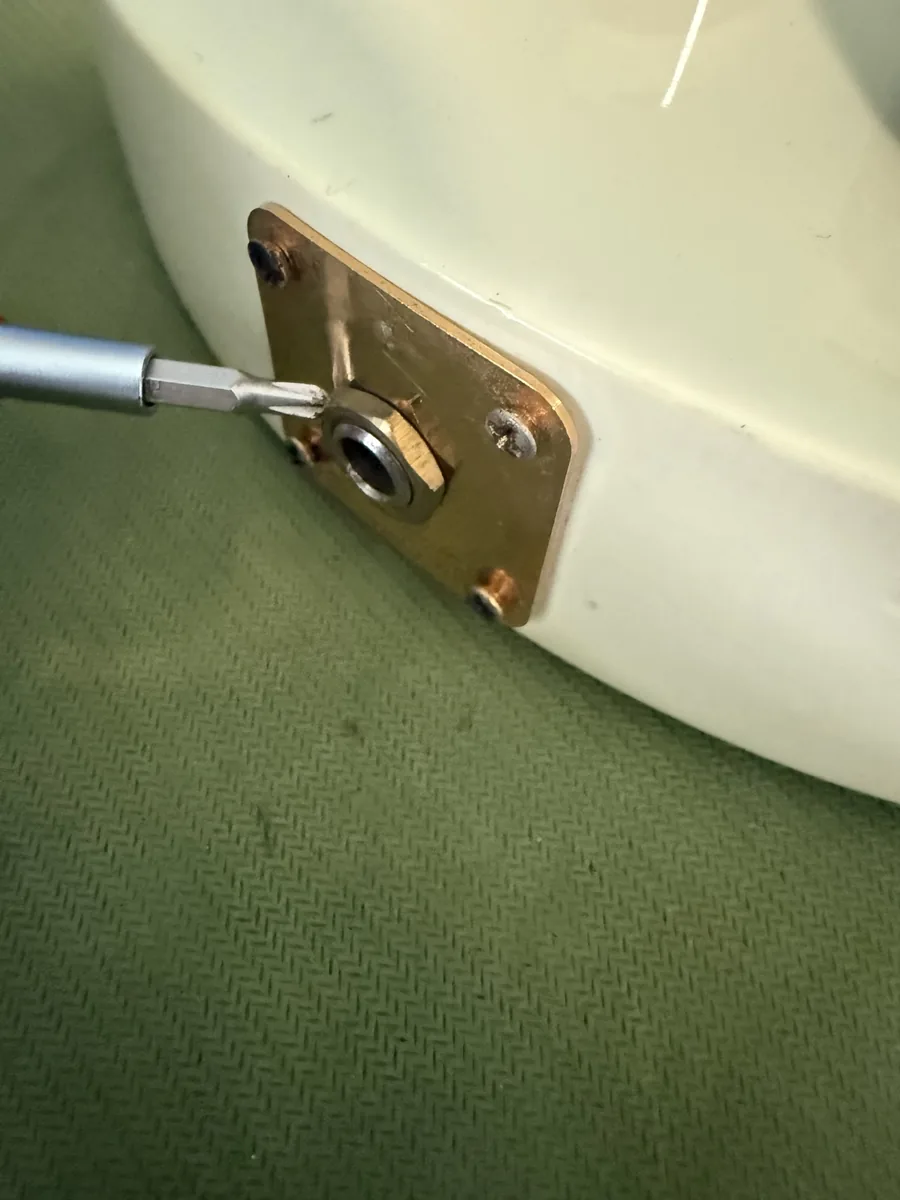
The Problem With Just Turning the Nut
On the outside of the guitar, you can only see the threaded barrel of the jack and the retaining nut. Inside the guitar, wires are soldered to terminals on the jack.
If you put a wrench on the nut and the whole jack begins to rotate, those soldered wires are rotating with it.
A little movement may not cause an immediate failure, but repeated twisting can stress the wire or solder joint. Eventually you can end up with:
- Intermittent sound
- Crackling when the cable moves
- Complete signal loss
- A broken ground or hot-wire connection
- A repair that now requires opening the guitar and resoldering the jack
Good rule of thumb: if the jack itself is turning while you tighten the nut, stop. The goal is to tighten the hardware without letting the jack body, and the wiring attached to it, rotate.
The Right Tool Makes This Much Easier
Luckily, there are tools made specifically for this job. For this Les Paul, I used the StewMac Jack-the-Gripper.
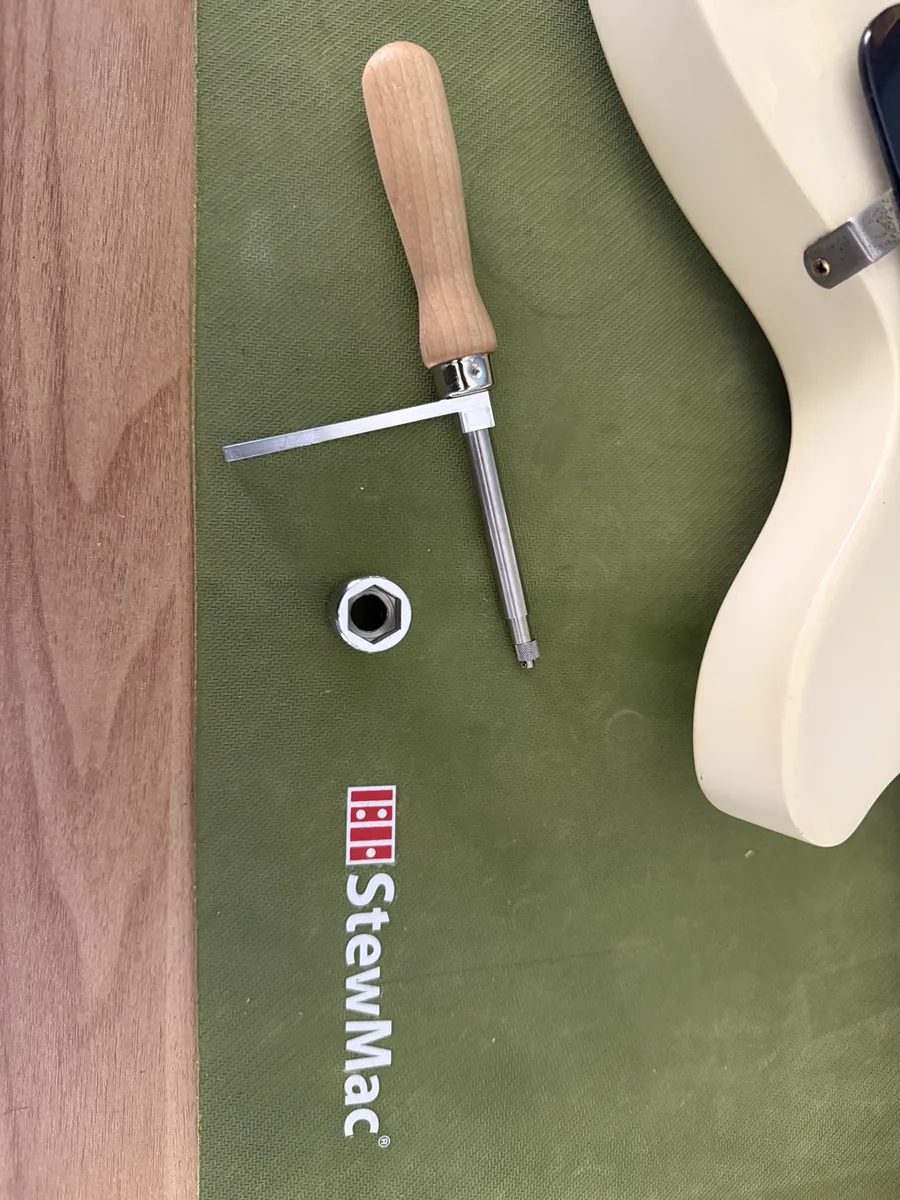
The tool fits into the output jack and expands enough to grip it from the inside. That lets you keep the jack stationary while tightening the nut from the outside.
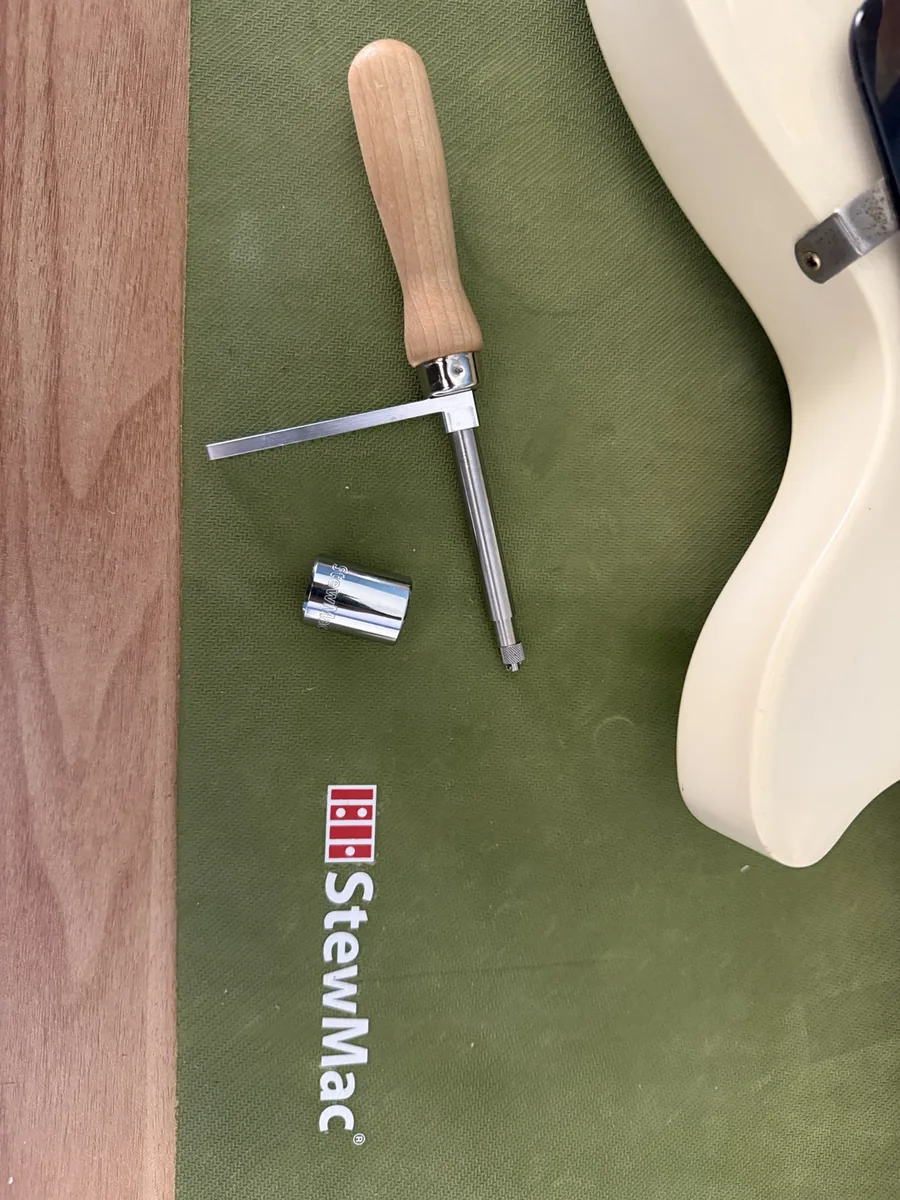
It’s a simple idea, but it solves the biggest problem with this repair: how to hold the jack still when you can’t easily reach the back of it.
How the Tool Holds the Jack
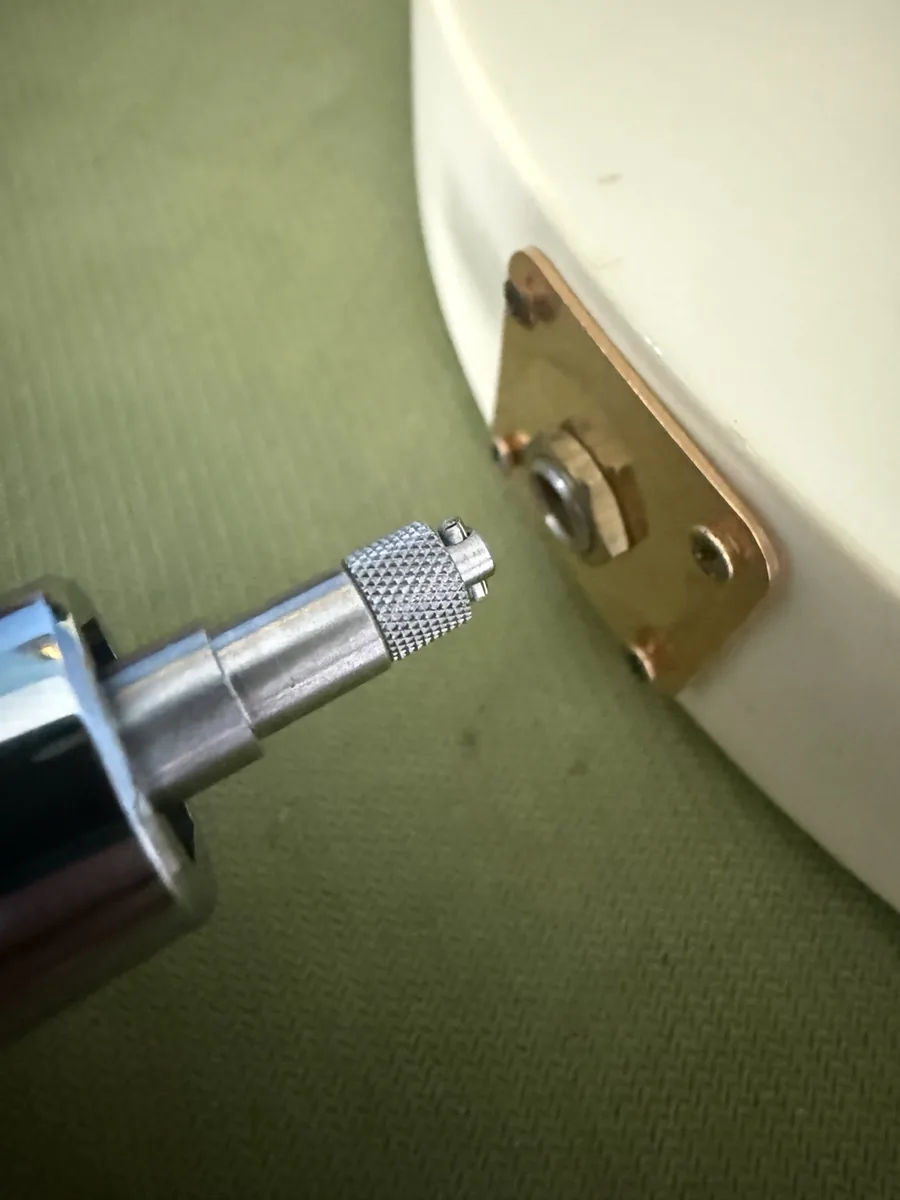
Once the tool is inserted into the jack, the expanding tip grips the inside wall of the jack. From there, the tool can be held steady while the retaining nut is snugged down.
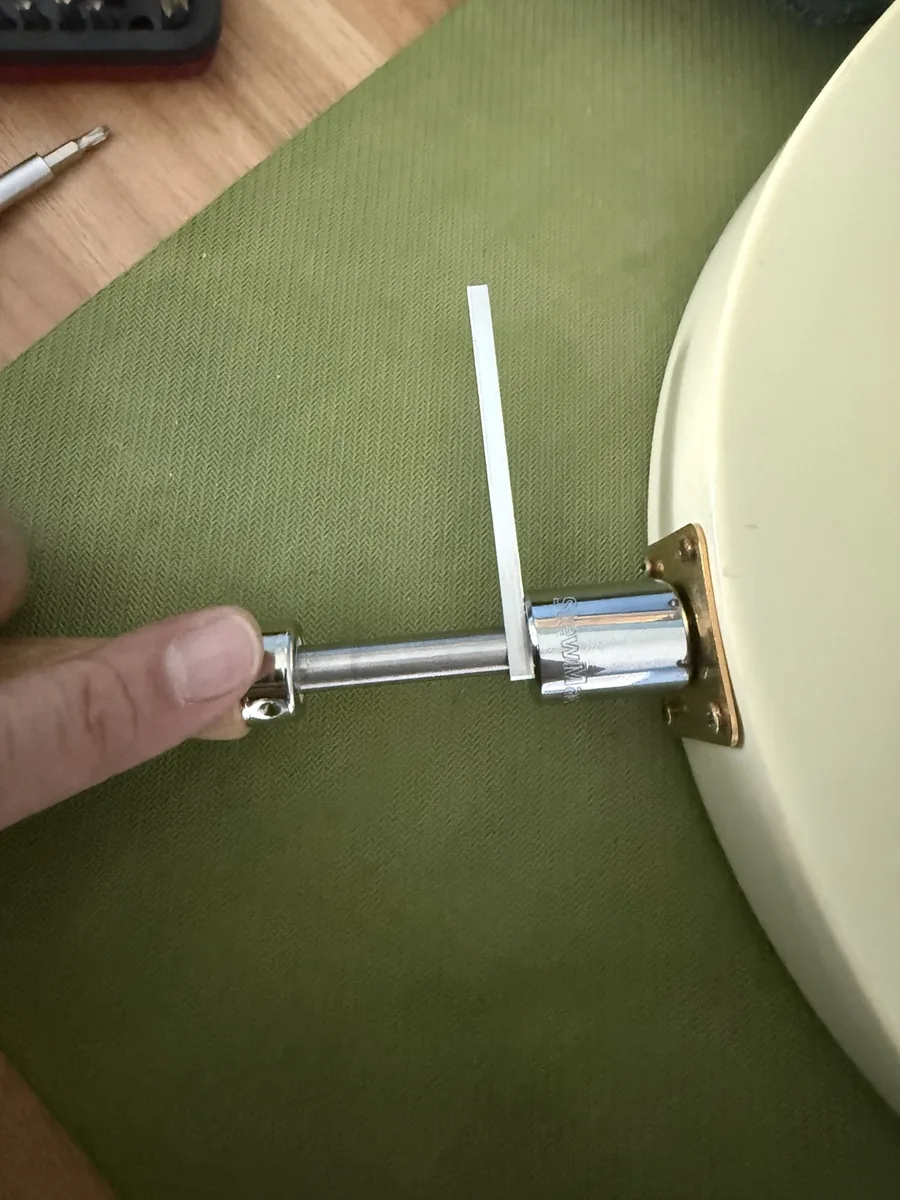
The key word here is snug. The goal isn’t to crank the nut down as hard as possible. It just needs to be secure enough that normal cable use won’t work it loose again.
Can You Tighten a Loose Jack Without a Specialty Tool?
Sometimes. Depending on the guitar, you may be able to access the back of the jack through a control cavity and hold it by hand or with an appropriate tool while tightening the nut from the outside.
On some instruments, though, access is limited or awkward. That’s where a dedicated jack-holding tool becomes especially useful.
The important part isn’t owning one particular tool. The important part is understanding what you are trying to prevent: the jack body should not rotate with the nut.
Signs Your Output Jack Needs Attention
A loose nut is the most obvious clue, but output jack problems can show up in a few other ways. It’s worth having the jack inspected if you notice:
- The cable feels unusually loose in the jack
- The jack plate moves when the cable is touched
- The signal cuts in and out when the cable moves
- You hear crackling or popping from the amplifier
- The outside nut keeps loosening repeatedly
- The jack spins when you try to tighten the nut
Not every crackle is caused by a loose jack. Dirty contacts, a bad cable, or other wiring issues can create similar symptoms. But a loose jack is an easy thing to check before the problem gets worse.
A Little Maintenance Can Prevent a Bigger Repair
This is a good example of why small guitar maintenance issues are worth addressing early.
A loose output jack might only need to be tightened correctly. Ignore it long enough, or keep spinning the jack while trying to tighten it, and you may eventually break a wire or solder joint inside the guitar.
That doesn’t mean you need to panic every time a nut works loose. It just means using the right technique matters.
In this case, the Les Paul only needed the jack secured properly. With the jack held still and the nut tightened, it was ready to go without disturbing the wiring inside.