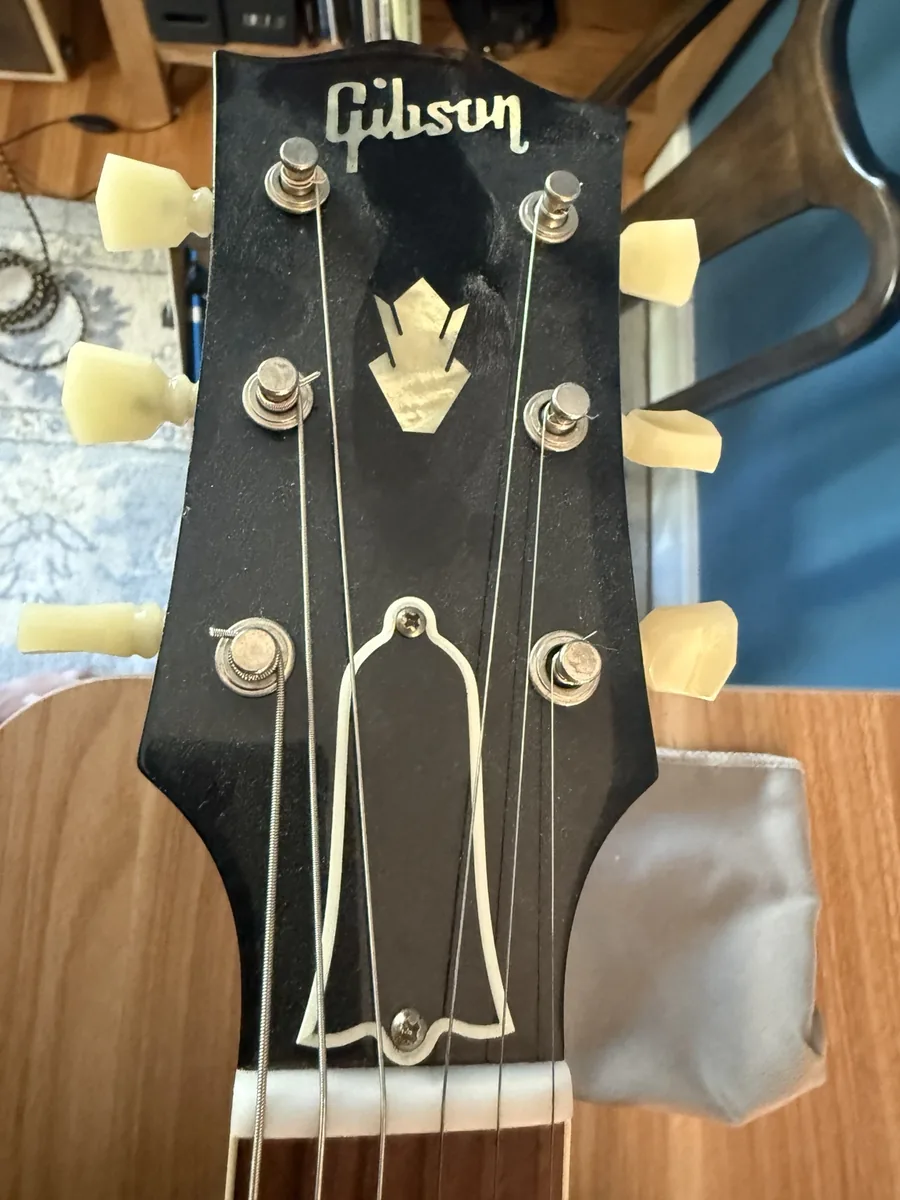
Routine Maintenance on a Gibson SG Reissue
Sometimes the most important guitar work is the work that keeps small problems from becoming big ones.

This Gibson SG reissue came across the bench for routine maintenance rather than a major repair. It also has an absolute baseball bat of a neck, the kind of big, substantial profile that feels immediately old-school in your hand. That may not sound dramatic, but regular setup work is what keeps a good guitar feeling dependable year after year.
The biggest clue that this one had gone a long time without adjustment was under the truss-rod cover: the truss-rod nut still had finish on it. In other words, it appeared the rod had never been used.
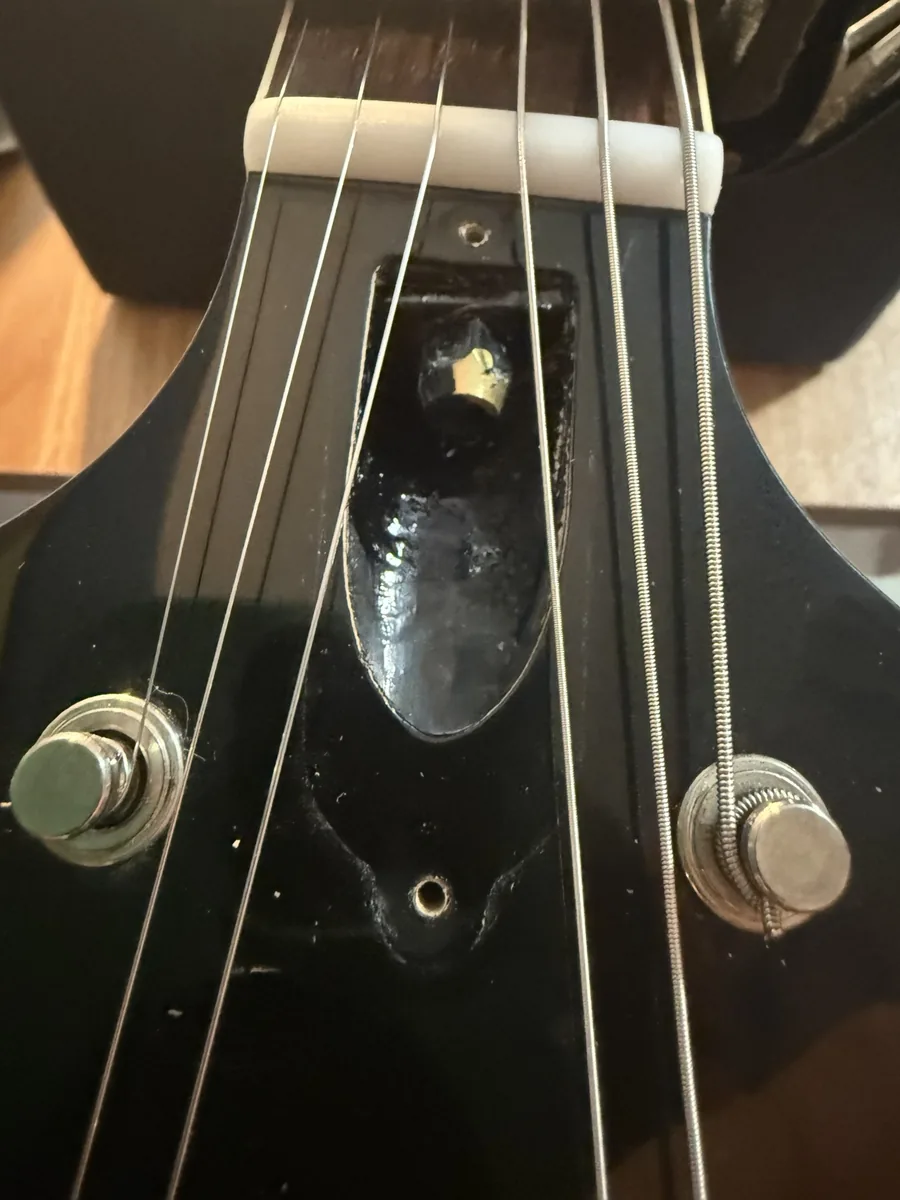
A Truss Rod Is a Maintenance Tool
A truss rod is not something to fear, and it is not only for repairing a badly bowed neck. It is one of the normal adjustment points on a guitar. Changes in humidity, string gauge, tuning and simple wood movement can all change neck relief over time.
Used carefully, a small truss-rod adjustment can bring the neck back into the right range and make the guitar feel dramatically better without changing anything else. On this SG, the fretwork was good enough to let me bring the neck relief down to about 0.004 inch while keeping the guitar playing cleanly. With the relief dialed in, I was able to get the action right where it needed to be without chasing buzzes or compromising feel.
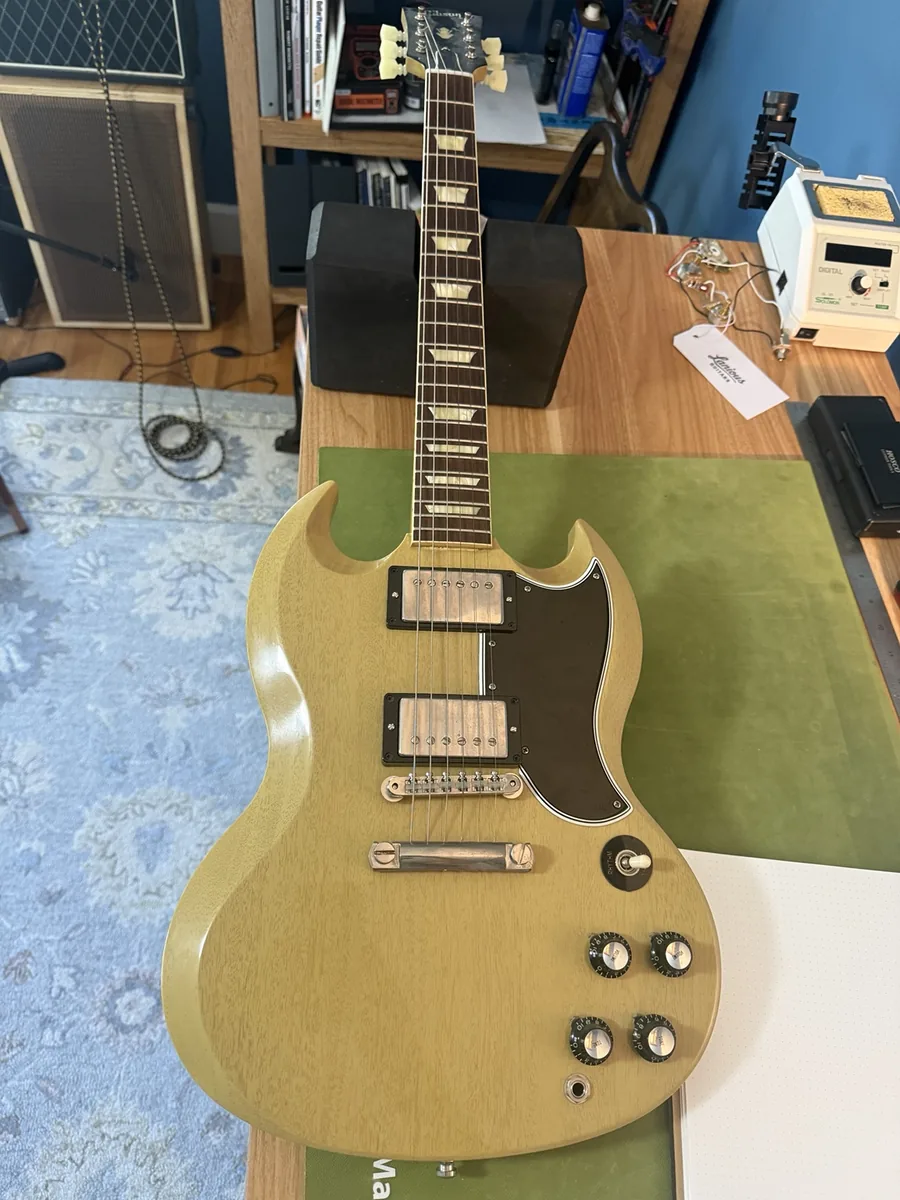
Period-Correct Nylon Saddles
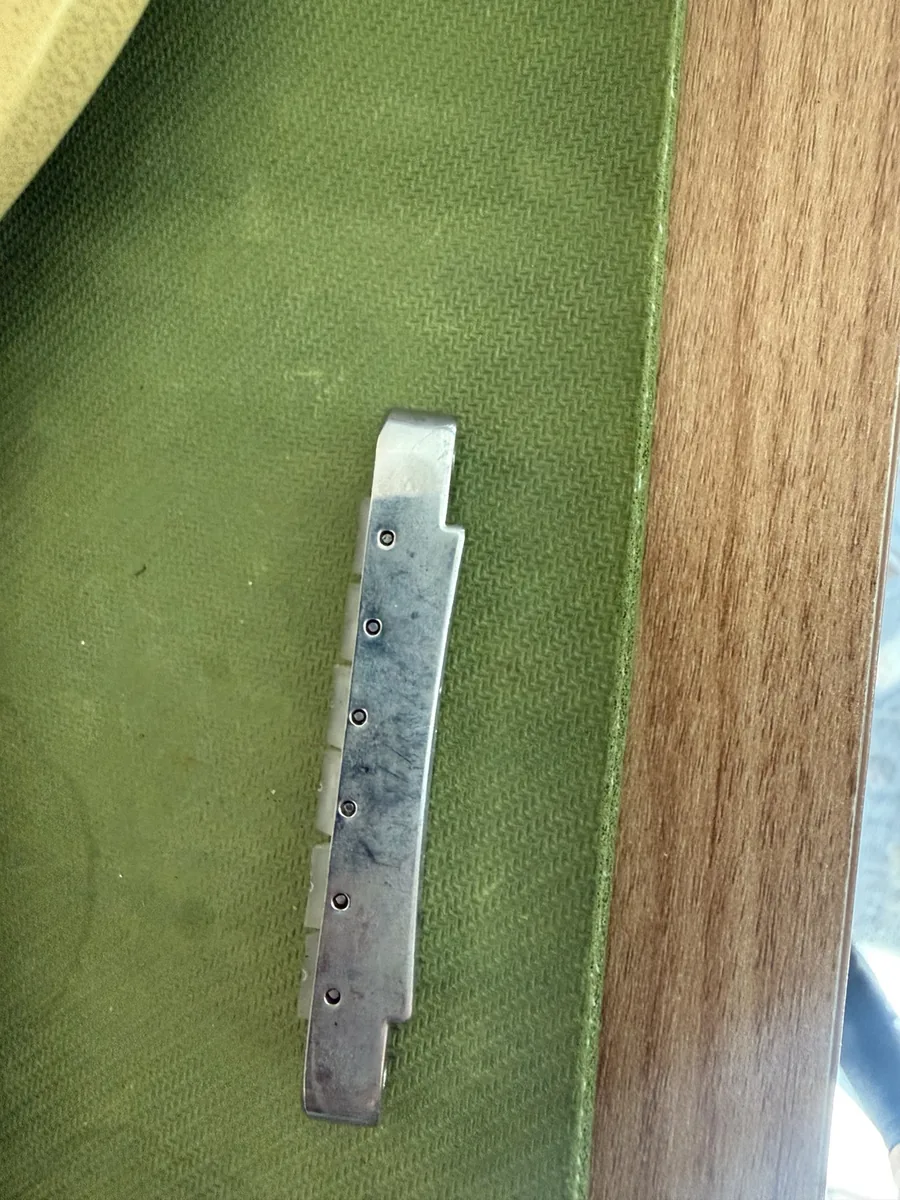
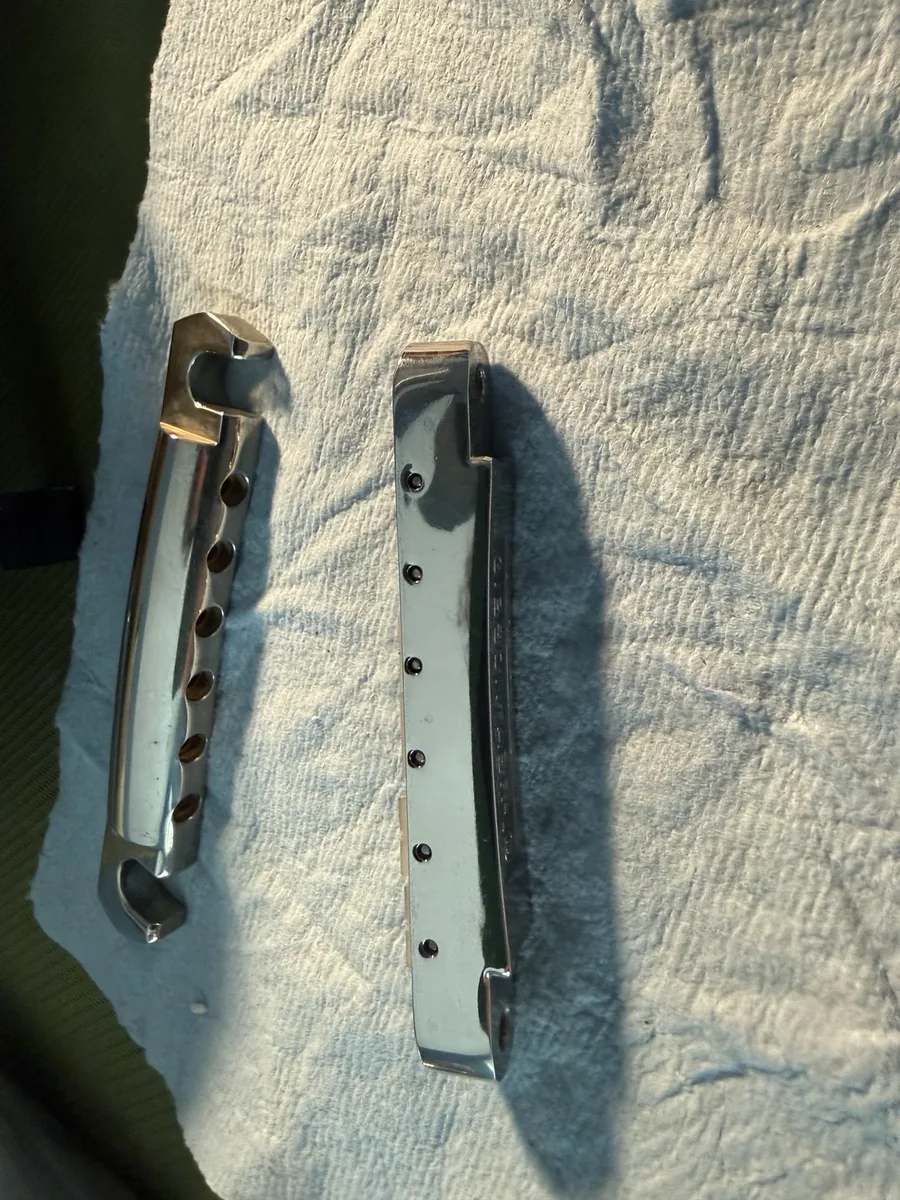
One of the cool details on this reissue is the bridge with age-correct nylon saddles. They are a small period-style feature, but they are also a reminder that setup work should respect what makes a particular guitar unique rather than automatically replacing parts with something more modern.
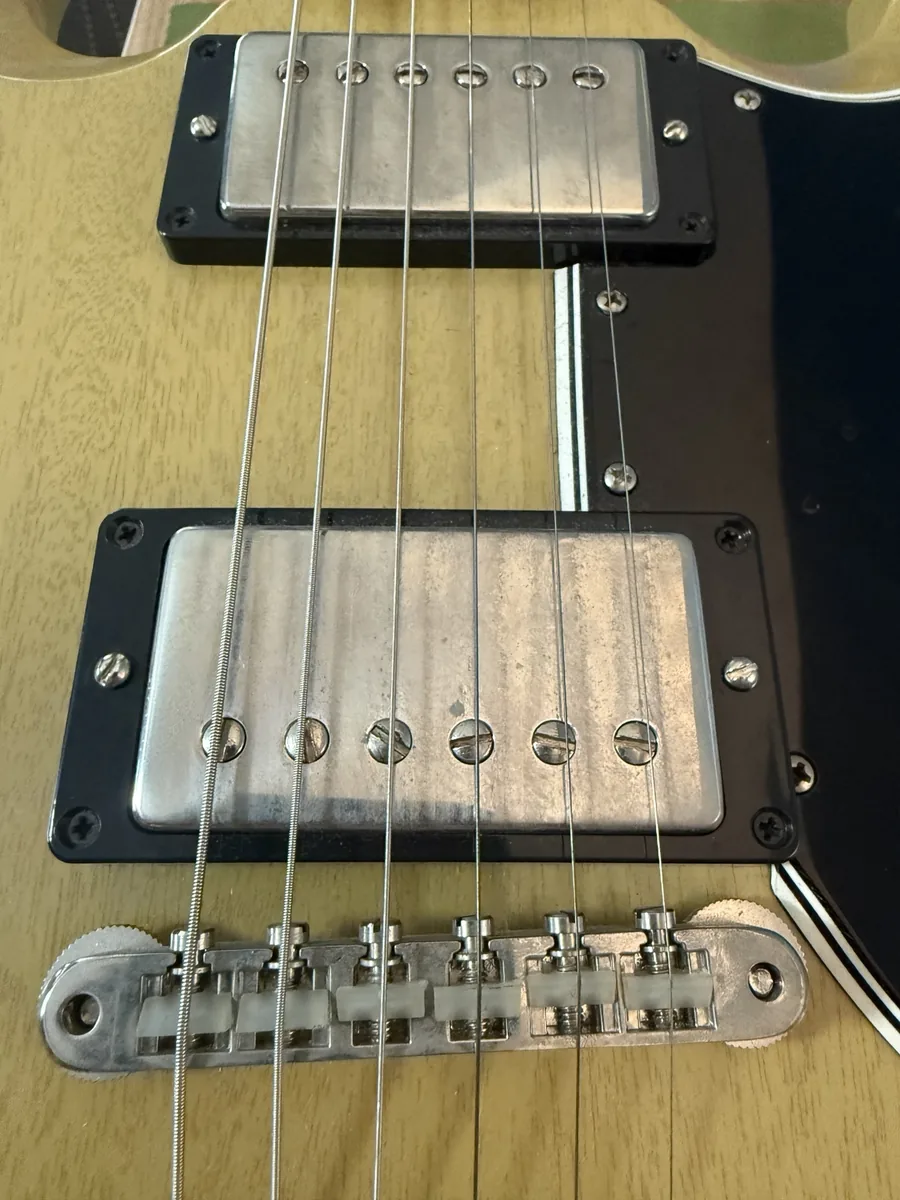
The bridge hardware was cleaned and polished as part of the service, with the goal of improving function and appearance without erasing the character of the instrument.
Lubrication Matters More Than People Think
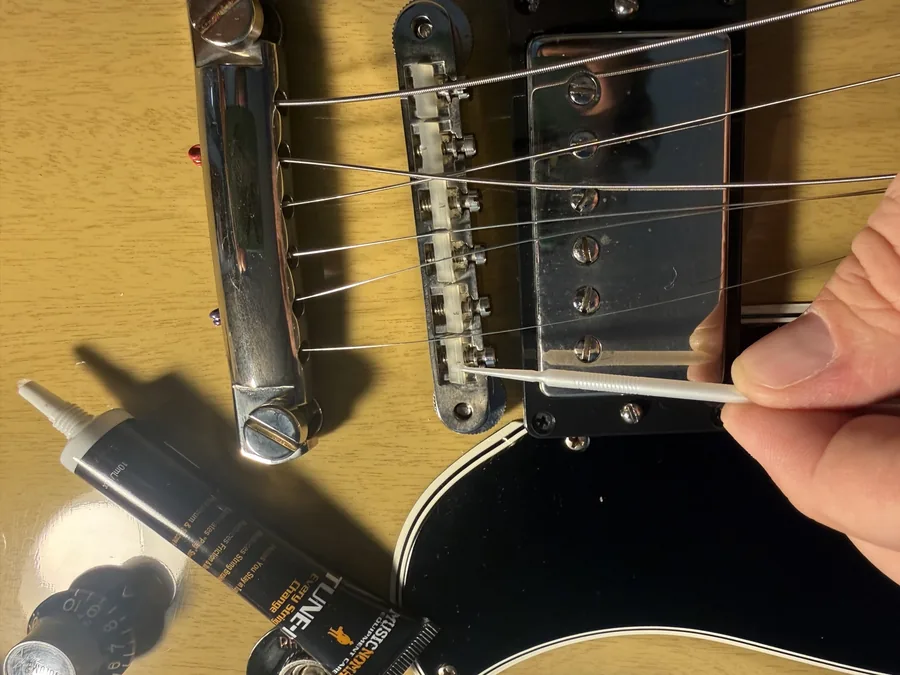
Another easy piece of preventative maintenance is proper lubrication at the nut and saddles. Every time you tune, bend a string, or use a vibrato system, the string has to move smoothly across its contact points. If it binds, tension can build on one side of the nut or saddle and then release suddenly, which is one of the classic causes of tuning instability.
A very small amount of purpose-made nut and saddle lubricant at those contact points reduces friction and helps the string return to pitch more consistently. The key is a small amount: enough to reduce binding, not enough to make a mess.
Routine maintenance usually means fewer surprises. Neck relief, clean hardware, smooth string contact points and a proper setup all work together. None of these jobs is flashy on its own, but together they are what make a guitar feel right every time you pick it up.
After the setup and maintenance work, this SG was playing cleanly, holding tune well and feeling exactly the way this kind of SG should: a big, chunky neck in the hand, low comfortable action, and a responsive setup that lets the quality of the Gibson fretwork do its job.